This Practice Note presents general programme perspectives on prison-based skills training and does not report results from an implemented AJ Foundation programme.
Rehabilitation becomes meaningful when people have repeated opportunities to practise responsibility, solve problems, and see evidence of their own progress. Well-designed skills training creates that structure.
- Practical learning can turn time into visible, measurable progress.
- Transferable habits matter as much as any individual technical skill.
- Training is strongest when it connects custody, release planning, and community support.
Rehabilitation needs a practical rhythm
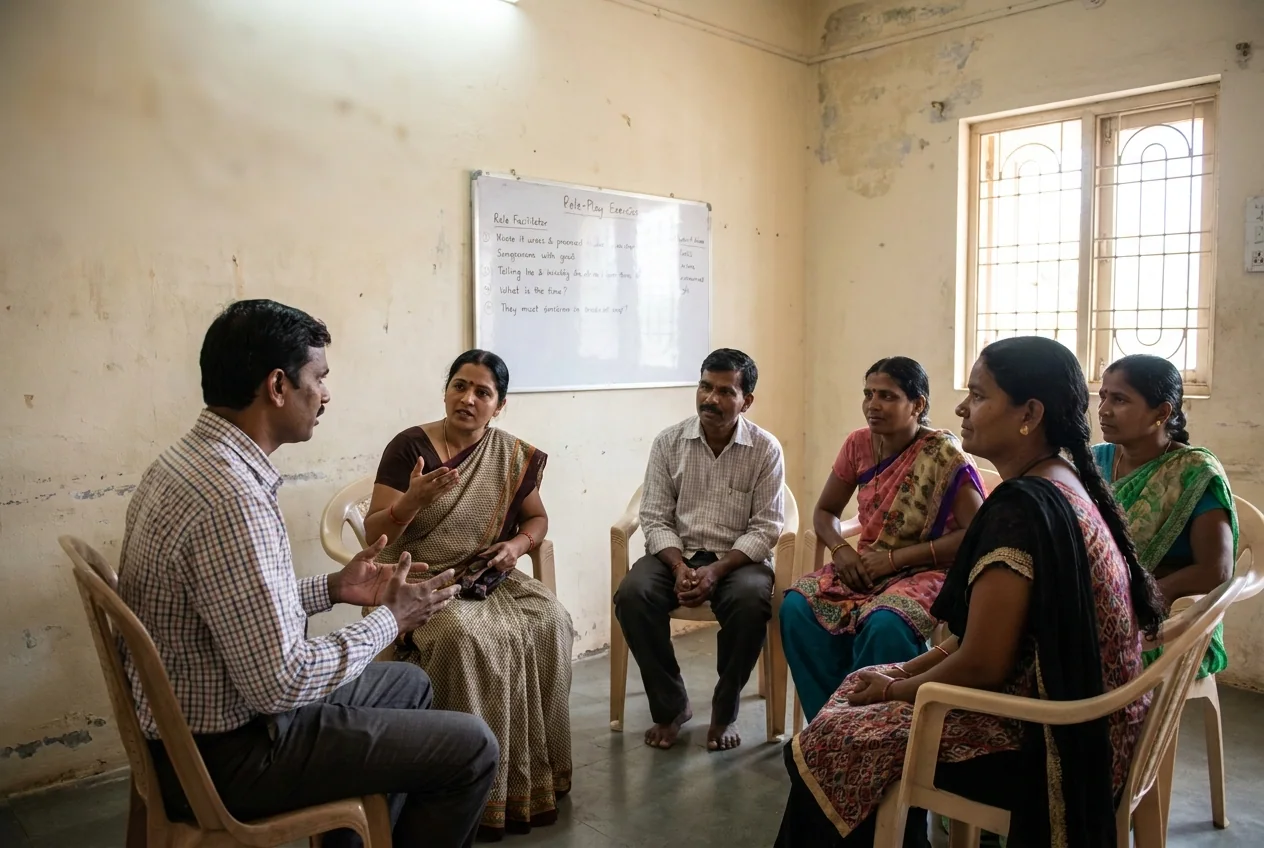
Rehabilitation is not a single workshop or a motivational speech. It is a gradual process of replacing unhelpful patterns with more constructive ones. A regular training schedule gives participants a reason to prepare, arrive, contribute, complete a task, and return to improve it. Those actions may appear ordinary, but together they form the rhythm of responsibility.
A credible programme therefore treats consistency as part of the curriculum. Attendance, care for materials, listening to peers, meeting a deadline, and asking for help are not side effects of training. They are behaviours that support safer decision-making and more stable participation in family, work, and community life.
Capability changes the story a person can tell
Many people in custody have experienced interrupted education, unstable employment, or long periods in which their abilities were defined by failure. Completing a practical task offers a different form of evidence: a finished piece of work, a demonstrated technique, a solved problem, or a certificate earned through sustained effort.
That evidence matters because confidence is most durable when it is attached to capability. A participant who can explain what they learned, demonstrate it, and identify what they need to practise next has a stronger foundation than someone who has only been told to feel hopeful.
The most valuable skills travel across settings
Vocational knowledge is important, but the value of training should not depend on one specific job remaining available. Communication, numeracy, digital familiarity, teamwork, planning, and safe working habits travel across occupations. They also support daily responsibilities such as managing appointments, understanding documents, and communicating with institutions.
AJ Foundation favours learning experiences that combine a practical task with these transferable habits. The aim is not simply to complete an activity inside a classroom. It is to help a participant recognise how the same discipline can be used in an interview, a workplace, a household, or a community setting.
Progress should be visible and supported
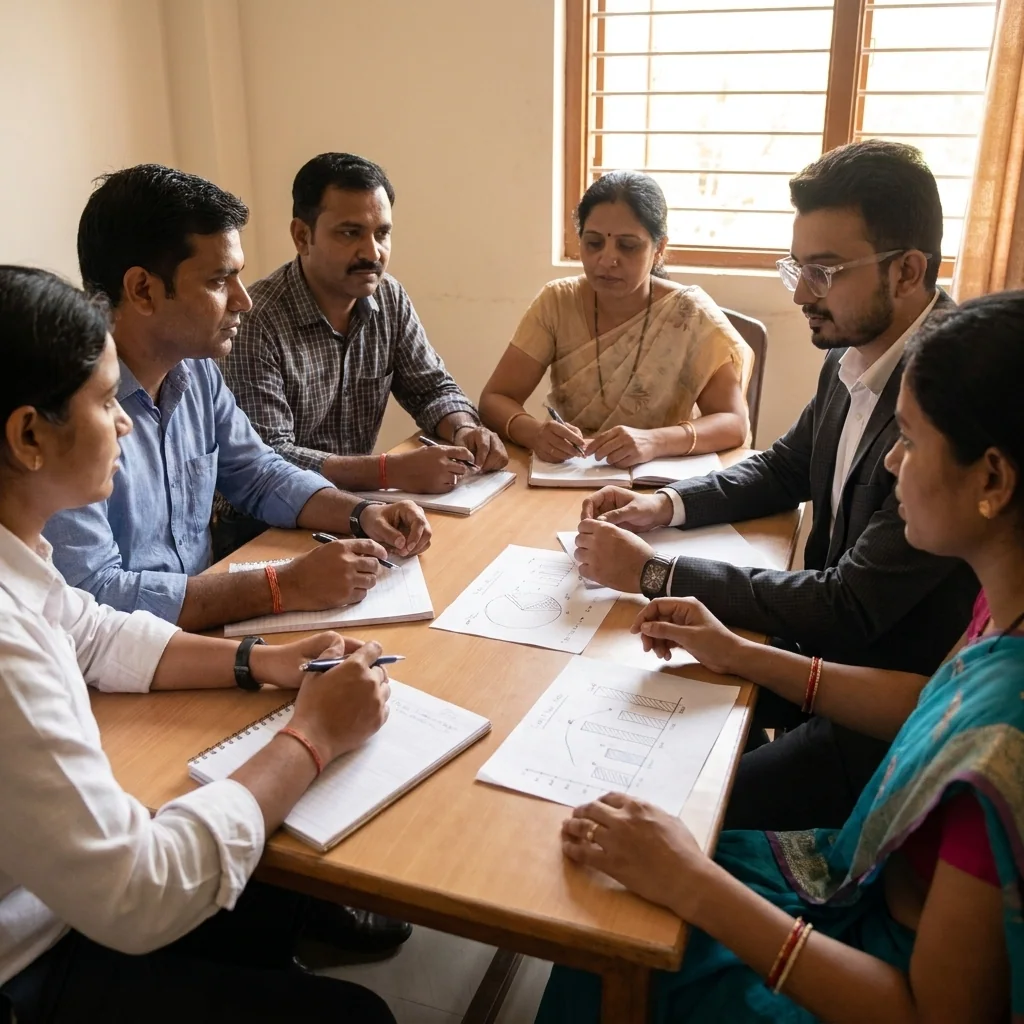
Good programmes use clear starting points, achievable milestones, and constructive feedback. Participants should know what competence looks like and be able to describe their progress in plain language. Facilitators, in turn, need a reliable way to record participation without reducing a person to a score.
The transition beyond custody is where that record becomes most useful. Training information can inform release planning, referrals, further education, mentoring, and employer conversations. When institutions and community partners share a coherent view of the participant's strengths and next steps, learning is less likely to end at the prison gate.
A skill is more than a task completed. It is proof that disciplined effort can produce a different outcome.