This Practice Note reflects on work readiness and reintegration and does not report results from an implemented AJ Foundation programme.
A job can provide income, routine, identity, and connection. But sustainable employment after release requires more than a vacancy: it requires preparation on both sides of the workplace door.
- Work readiness begins with routines, communication, and realistic expectations.
- Documentation and digital access can be as decisive as vocational ability.
- Employers need practical support to offer fair, informed opportunities.
Employment readiness starts before the application
The visible part of a job search is the application or interview. The less visible work begins earlier: establishing a daily routine, identifying strengths, discussing gaps honestly, understanding workplace expectations, and learning how to respond when something goes wrong.
People leaving custody may also face immediate pressure around housing, family relationships, transport, health, and finances. An employability plan that ignores those realities can quickly become another source of frustration. Preparation should connect career goals with the practical conditions required to sustain them.
Confidence should be specific, not abstract
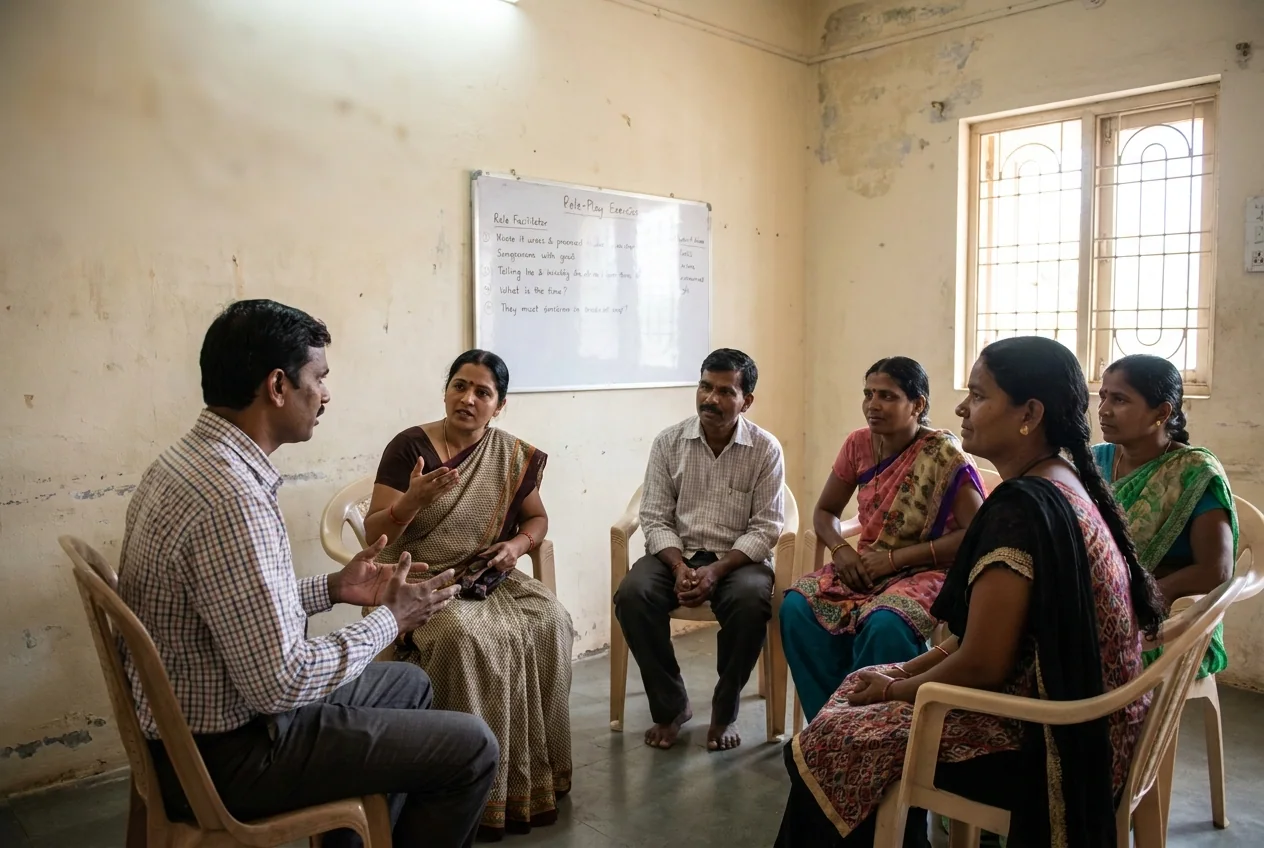
Telling someone to be confident is rarely enough. Confidence grows when a person can name their abilities, give examples, practise difficult conversations, and receive useful feedback. Mock interviews, short presentations, group problem-solving, and written reflection make improvement observable.
This approach also helps participants speak about accountability without being trapped by their past. A strong interview response does not avoid responsibility, nor does it turn a person's history into their only identity. It connects learning, change, and present capability in language an employer can understand.
Administrative readiness is employment readiness
A capable candidate can still be excluded by missing identity documents, limited access to a phone or email, unfamiliarity with online forms, or uncertainty about disclosure requirements. These barriers are often treated as separate from employability, even though they directly determine whether a person can complete recruitment and onboarding.
Work-readiness support should therefore include a practical checklist: identification, bank access, contact details, transport planning, digital basics, references, qualifications, and any role-specific requirements. Resolving these items early protects momentum at a point when delays can be especially discouraging.
Retention deserves as much attention as recruitment
The first weeks of work can introduce unfamiliar pressures: new routines, workplace culture, feedback, fatigue, and the fear that one mistake will end the opportunity. A short period of mentoring or check-ins can help an employee interpret challenges before they become crises.
Employers also benefit from a clear contact, realistic guidance, and an agreed way to raise concerns. This is not about lowering standards. It is about making expectations explicit and responding early. When preparation and support are shared, employment can become a stable platform for reintegration rather than a fragile test.
The goal is not simply to help someone secure a first day at work. It is to help them build the readiness to return on the second, the twentieth, and the two-hundredth.